Warnham LNR, Horsham, Sussex
Ashdown Bird Group
(5 members present)
Warnham LNR is a must-visit nature reserve,
particularly in winter when conditions are harsh and food is scarce. It is one of the best places in the county to
see redpolls, siskins, brambling and reed buntings close up. Our half-day session today targeted these
four birds.
Our route took us from the Visitor Centre to the
Woodpecker Hide, where we spent most of our time. This hide is a photographer's delight, affording close-up views of the birds coming to and from the feeders.
After that, we toured the reserve using the woodland
paths and boardwalks.
Martin and I got caught up in a traffic jam on the
way, and we arrived nearly half an hour after the others. By this time, they had seen all four target species. We soon made amends and only missed
out on Redpoll.
Our Target Species
- Alastair, Ian and John were the only ones to see the Redpolls at the feeders at the start of their visit. In the picture below, the Redpoll shares the feeder with a female Siskin.
Courtesy of Ian Hodgson
After the early flurry, we did not see any more Redpolls while we were in the Woodpecker Hide.
- The prize species only turned up sporadically. This female Brambling was seen feeding at the cut-down tree trunk in front of us.
Courtesy of Martin Jeffree
- There were no such problems with the Siskins; they were frequent visitors to the feeders.
Courtesy of Ian Hodgson
- The Reed Buntings were very active, too! The images below show male and female birds.
Courtesy of Martin Jeffree
Other Birds at the Feeders by Woodpecker Hide.
A lot was going on at the feeders, and some of the highlights are posted below:-
- This lovely Nuthatch would grace any feeder.
Courtesy of Ian Hodgson
- As would this male Chaffinch.
- It's hard to ignore a Greenfinch!
Courtesy of Ian Hodgson
- Another local favourite is Long-tailed Tit.
Courtesy of Martin Jeffree
- Even the humble Moorhen caught the eye today!
Courtesy of Martin Jeffree
- While all the interest was in the birds, the rats were busy feeding too.
Courtesy of Martin Jeffree
It was time to go out and about on the reserve with the millpond the obvious next attraction.
- The Great Crested Grebes grabbed the headlines with their courting routine.
Courtesy of Ian Hodgson
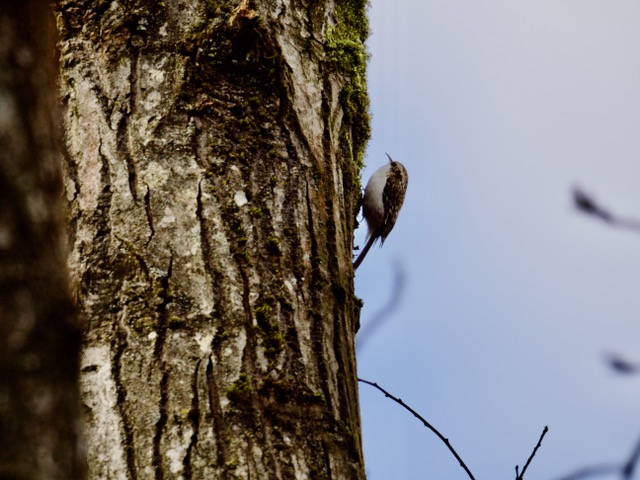
- On the outward journey through the trees, we saw our first Treecreeper of the day but were unable to get a photograph. We were more fortunate on the return leg when two turned up.
Courtesy of Martin Jeffree
- John spotted this Sparrowhawk high above us.
Courtesy of Martin Jeffree
There were a couple of signs that Spring is just around the corner.
- Two species of butterfly were seen as we did the rounds. Ian spotted a lovely Brimstone, but it was too quick for us to get a photograph. We were more fortunate with the Red Admiral sightings a little later.
Courtesy of Ian Hodgson
- One of the Black-headed Gulls was clearly going into summer plumage with a nearly fully formed black hood.
Courtesy of Ian Hodgson
What a delightful couple of hours we had at this gem of a reserve.
|
Species list:
|
|
|
|
|
|
|
|
|
|
|
Name:
|
Count
|
|
Name:
|
Count
|
|
Black-headed Gull
|
1
|
|
Little Egret
|
25
|
|
Blackbird
|
2
|
|
Long-tailed Tit
|
26
|
|
Blue Tit
|
3
|
|
Magpie
|
27
|
|
Brambling
|
4
|
|
Mallard
|
28
|
|
Buzzard
|
5
|
|
Moorhen
|
29
|
|
Canada Goose
|
6
|
|
Mute Swan
|
30
|
|
Carrion Crow
|
7
|
|
Nuthatch
|
31
|
|
Chaffinch
|
8
|
|
Pheasant
|
32
|
|
Coal Tit
|
9
|
|
Pochard
|
33
|
|
Collared Dove
|
10
|
|
Red Kite
|
34
|
|
Coot
|
11
|
|
Reed Bunting
|
35
|
|
Cormorant
|
12
|
|
Robin
|
36
|
|
Dunnock
|
13
|
|
Rock Dove / Feral Pigeon
|
37
|
|
Egyptian Goose
|
14
|
|
Siskin
|
38
|
|
Goldfinch
|
15
|
|
Song Thrush
|
39
|
|
Great Crested Grebe
|
16
|
|
Sparrowhawk
|
40
|
|
Great Spotted Woodpecker
|
17
|
|
Starling
|
41
|
|
Great Tit
|
18
|
|
Stock Dove
|
42
|
|
Greenfinch
|
19
|
|
Teal
|
43
|
|
Grey Heron
|
20
|
|
Treecreeper
|
44
|
|
Herring Gull
|
21
|
|
Tufted Duck
|
45
|
|
Jay
|
22
|
|
Woodpigeon
|
46
|
|
Lesser Black-backed Gull
|
23
|
|
Wren
|
47
|
|
Lesser Redpoll
|
24
|
|
|
|
|
|
|
|
|
|
Today's species count = 47
|
|
|
|
|
2025 species count = 118
New Species: