Sunday 30th October 2022,
Rye Harbour NNR, East Sussex
EGRSPB Local Group
(15 members present)
Trip Report
The weather dominated this trip. We met up at the main car park at 09.30, in
the pouring rain. Conditions didn’t
really change until after midday when the rain stopped. Things
improved rapidly in the afternoon and by the end of the day we were enjoying
bright sunshine and some excellent lighting.
Today’s target species
was the red-necked phalarope which
has been around since 16th October.
Despite the weather,
expectations were high.
|
|
At the start, we spent over an hour in Gooders Hide, sheltering from the rain. Thankfully the birding was excellent, and we managed to see over 40% of the day's species from there. The highlights included:
- A little stint that was associating with a group of 10+ dunlin and provided our biggest ID challenge. Later on, a second one was seen.
- A mystery bird turned out to be a ruff.
- Over 1000 golden plover were showing well on the ground
- At least 8 snipe were seen.
- Several grey plover were showing well close to the hide.

- A very regal pintail was yet another notable species.
We braved the wet and breezy conditions yet again
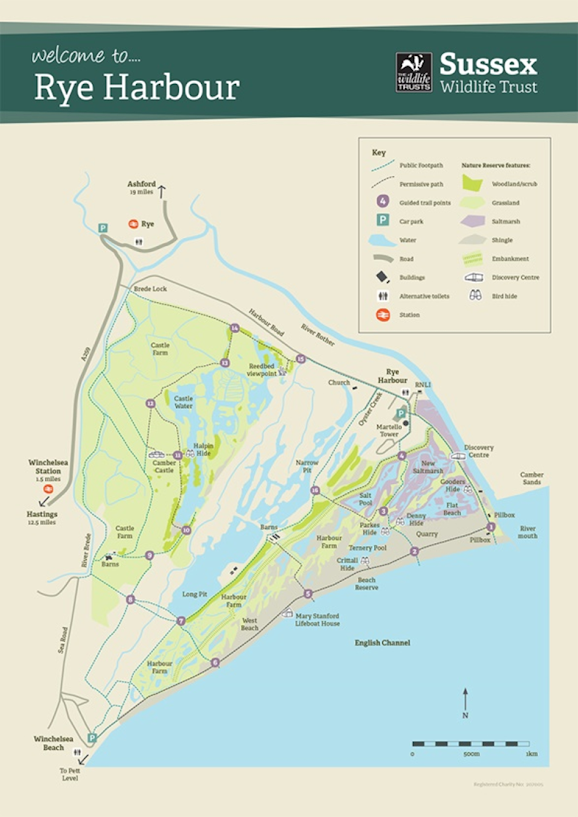
as we ventured along to the river mouth, passing Flat Beach on our right.
·
A huge flock of oystercatchers flew in
and landed on the shingle.
·
They were followed shortly afterwards
by a flock of around 30 ringed plover.
At this point in time there had not been any
reported sightings of the red-necked phalarope so we decided to split the group
with one team making the long walk down to the Mary Stanford Lifeboat House to
look for the bird while the other carried on birding from the shelter of the nearby
Denny and Parkes hides.
After some confusion over the reported sighting area and then some miscommunication between the groups, we found the phalarope and joined up again but by now the group size was down to 12. Remarkably, it had stopped raining! It was time for a quick lunch.
- The phalarope was on the saline pool, east of the path from the beach to Harbour Barn and moving around continuously in its characteristic streaky way.

- After a while it took flight to the adjacent pool a few metres north of us but within seconds we had relocated it and gained further good telescope views.

Having satisfied ourselves over the phalarope
sighting, we retraced our steps to the Visitor Centre for a well-earned hot
drink and snacks.
7 of us decided to stay on to visit the salt
marshes between the caravan park and Denny Hide. This turned out to be a master stroke as we
were treated to something of a late birding bonanza. By now the marshes were becoming flooded by
the incoming tide, and there was lots of bird movement. The lighting was, at times, magnificent,
despite the late hour.
- A lone brent goose could be seen resting in the reeds to the south of us.
- On the Salt Pool we saw at least 10 little grebes, 5 on each stretch of water either side of the bank and they looked immaculate.
- On the same pool there were at least 10 grey plover and a similar number of dunlin – all resting up.
- A kestrel and then, a little later, a sparrowhawk and a marsh harrier joined the parade.
- Goldfinches flew around in small flocks and we got a spectacular view of one such group as they enjoyed the area covered by thistles.

- A greenshank was a welcome sight near the end of the day.
- Pride of place, however, went to the spotted redshank that we found and eventually ticked off, after much deliberation and cross-checking against the Collins Guide

What a final session!
- Ian’s picture below captures the scene brilliantly as we ended our visit - flooded marshes with golden plover flying high above – and the lovely early evening light.
We didn’t
see everything we came for - there was no sign of shelduck and gadwall, for
example and this must be the first time we have failed to record a mute swan or
an avocet at Rye Harbour!
Nevertheless’
it was another excellent outing and everyone went away well satisfied with the
day’s events.
54
species represents a very acceptable return for a great day's birding in poor
weather.
Well done everyone.
Thanks again Kevin.
Bob
Hastings
01/11/2022
All photographs courtesy of Martin Jeffree and Ian
Hodgson
Species List
|
Name: |
Name: |
||
|
Black-headed Gull |
1 |
Magpie |
28 |
|
Black-tailed Godwit |
2 |
Mallard |
29 |
|
Blackbird |
3 |
Marsh Harrier |
30 |
|
Brent Goose |
4 |
Meadow Pipit |
31 |
|
Carrion Crow |
5 |
Moorhen |
32 |
|
Coot |
6 |
Oystercatcher |
33 |
|
Cormorant |
7 |
Pied Wagtail |
34 |
|
Curlew |
8 |
Pintail |
35 |
|
Dunlin |
9 |
Red-legged Partridge |
36 |
|
Dunnock |
10 |
Red-necked Phalarope |
37 |
|
Gannet |
11 |
Redshank |
38 |
|
Golden Plover |
12 |
Ringed Plover |
39 |
|
Goldfinch |
13 |
Robin |
40 |
|
Great Black-backed Gull |
14 |
Rock Dove / Feral Pigeon |
41 |
|
Great Crested Grebe |
15 |
Ruff |
42 |
|
Greenshank |
16 |
Shoveler |
43 |
|
Grey Heron |
17 |
Skylark |
44 |
|
Grey Plover |
18 |
Snipe |
45 |
|
Herring Gull |
19 |
Sparrowhawk |
46 |
|
House Sparrow |
20 |
Spotted Redshank |
47 |
|
Kestrel |
21 |
Starling |
48 |
|
Lapwing |
22 |
Stonechat |
49 |
|
Lesser Black-backed Gull |
23 |
Teal |
50 |
|
Linnet |
24 |
Tufted Duck |
51 |
|
Little Egret |
25 |
Turnstone |
52 |
|
Little Grebe |
26 |
Wigeon |
53 |
|
Little Stint |
27 |
Woodpigeon |
54 |
Species
count = 54


